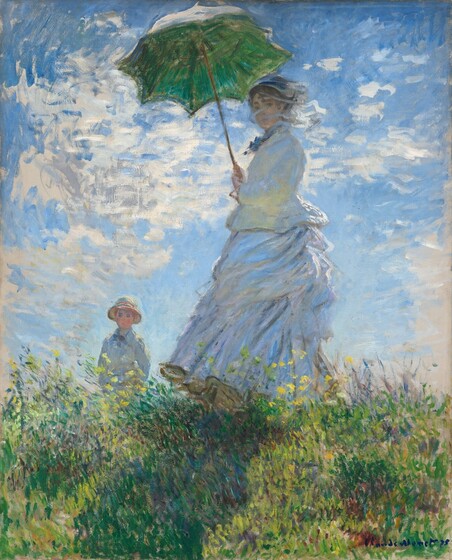
Impressionist Period Music. Impressionism emerged in france in the middle of the 19th century. Impressionism in art is fairly easy to describe: In music, the more conventional term is timbre, which is defined largely through orchestration, but likewise through harmonic usage, texture, etc. There is a real beauty and complexity to the music of this era that almost conjures up images in the mind with its textures. What we now call impressionist music is a style introduced in late 19th century france.
Composer claude debussy translated visual. Impressionism in art is fairly easy to describe: Musical impressionism is the name given to a movement in european classical music that arose in the late 19th century and continued into the middle of the 20th century. Impressionist painting comprises the work produced between about 1867 and 1886 by a group of artists who shared a set of related approaches and techniques. Impressionism, in music, a style initiated by french composer claude debussy at the end of the 19th century.
Impressionism from media.nga.gov Who was a famous impressionist painter Much in the same way, impressionism in music aims to create descriptive impressions, not necessarily to draw clear pictures. Impressionist painting comprises the work produced between about 1867 and 1886 by a group of artists who shared a set of related approaches and techniques. The term, which is somewhat vague in reference to music, was introduced by analogy with contemporaneous french painting; Impressionism emerged in france in the middle of the 19th century. Musical impressionism is the name given to a movement in european classical music that arose in the late 19th century and continued into the middle of the 20th century. Like its precursor in the visual arts, musical impressionism focused on suggestion and atmosphere… read more Thin brush strokes, obscured edges, the play of light.
♫ buy the mp3 album on the official halidon music store:
Impressionism in art is fairly easy to describe: The periods of classical music, part 4: Today, impressionism is regarded as one of the most influential movements in modern art. Musical impressionism is the name given to a movement in european classical music that arose in the late 19th century and continued into the middle of the 20th century. Similarly, the impressionist era had its roots in paris toward the conclusion of the 19th century. Originating in france, musical impressionism is characterized by suggestion and atmosphere, and eschews the emotional excesses of the romantic era. Impressionism was a radical art movement that began in the late 1800s, centered primarily around parisian painters. Some could argue that some joanna newsom's music contains some impressionist features — especially her harp laden sawdust and diamonds from 2006's ys. It was a move away from the long, dramatic and emotional works of romanticism. In it, she uses her instrument to craft contrasting musical landscapes over which her lyrics can realized to their fullest, most powerful and haunting potential. This is done through almost every aspect of music: Impressionist music tries to capture images of water and light, of landscape, and of nature, by painting with tone colours. Impressionism, french impressionnisme, a major movement, first in painting and later in music, that developed chiefly in france during the late 19th and early 20th centuries.
Listening to music (musi 112)in this lecture, professor wright teaches the students about musical impressionism. Thin brush strokes, obscured edges, the play of light. The impressionist period in music was about creating ____. The periods of classical music, part 4: What is the impressionist era in music?
Impressionist Music Style Period Ppt Video Online Download from slideplayer.com Impressionist music does much the same thing, focusing on creating a sense of the piece's topic by using blurred harmony and delicate shadings of sound rather than relying on standard forms and a strong, clear rhythmic beat. Impressionist music style the style of impressionist music isn't deeply emotional and personal like the bulk of romantic era music. Much in the same way, impressionism in music aims to create descriptive impressions, not necessarily to draw clear pictures. Listening to music (musi 112)in this lecture, professor wright teaches the students about musical impressionism. Impressionism in art is fairly easy to describe: Impressionism emerged in france in the middle of the 19th century. There is a real beauty and complexity to the music of this era that almost conjures up images in the mind with its textures. Other composers associated with impressionism are ravel, bartok, and delius.
Impressionist music doesn't get personal in the same way.
In it, she uses her instrument to craft contrasting musical landscapes over which her lyrics can realized to their fullest, most powerful and haunting potential. This style of classical music was written around the same time (late 19th century) and uses color or timbre through different textures, harmonics, and orchestrations to arouse feelings and create atmosphere. Eras closely associated with impressionist music during the nineteenth century, music artists concentrated on emotional expression in their compositions. Though it was initially criticized, it soon gathered a following and, with time, it became so popular that it led to analogous movements in music and literature. Which two composers were the most influential in this period? Impressionism was a radical art movement that began in the late 1800s, centered primarily around parisian painters. Impressionist music tries to capture images of water and light, of landscape, and of nature, by painting with tone colours. The impressionist period in music was about creating ____. It was disliked by debussy himself. Impressionist music characteristics like so many artistic movements that have evolved in western art music, impressionism was an organic extension of what was developing in the fine art world around the middle of the 19 th century. Impressionism in music is harder to articulate. The music is not designed to explicitly describe anything, but rather to create a mood or atmosphere. It was a move away from the long, dramatic and emotional works of romanticism.
Unlike the calm, conservative viennese world of mozart and haydn, the paris of the 1870s and '80s was boiling over with. Similarly, impressionist music also conveys moods, scenes, and emotions rather than detailed stories. Other composers associated with impressionism are ravel, bartok, and delius. Melody, harmony, color, rhythm, and form. Similarly, the impressionist era had its roots in paris toward the conclusion of the 19th century.
What Music Was Like In The 20th Century from www.liveabout.com The period from around 1880 to 1920, sometimes described as impressionism, elicited some of the most beautiful and bewitching compositions of western music history. It was disliked by debussy himself. Originating in france, musical impressionism is characterized by suggestion and atmosphere, and eschews the emotional excesses of the romantic era. Though it was initially criticized, it soon gathered a following and, with time, it became so popular that it led to analogous movements in music and literature. Impressionism in music is harder to articulate. This amazing effect is recreated in the music of the era as well. In music, the more conventional term is timbre, which is defined largely through orchestration, but likewise through harmonic usage, texture, etc. Impressionism in art is fairly easy to describe:
It was disliked by debussy himself.
This is done through almost every aspect of music: The term, which is somewhat vague in reference to music, was introduced by analogy with contemporaneous french painting; There is a real beauty and complexity to the music of this era that almost conjures up images in the mind with its textures. Eras closely associated with impressionist music during the nineteenth century, music artists concentrated on emotional expression in their compositions. The period from around 1880 to 1920, sometimes described as impressionism, elicited some of the most beautiful and bewitching compositions of western music history. The titles are usually very descriptive, such as debussy's the afternoon of a faun and his sunken cathedral. Composer claude debussy translated visual. Impressionist music (circa 1875 to 1925) 2. Impressionism, in music, a style initiated by french composer claude debussy at the end of the 19th century. Today, impressionism is regarded as one of the most influential movements in modern art. The music is not designed to explicitly describe anything, but rather to create a mood or atmosphere. Instead, the focus was on. In it, she uses her instrument to craft contrasting musical landscapes over which her lyrics can realized to their fullest, most powerful and haunting potential.
Impressionism was a radical art movement that began in the late 1800s, centered primarily around parisian painters impressionist music. Impressionist music doesn't get personal in the same way.