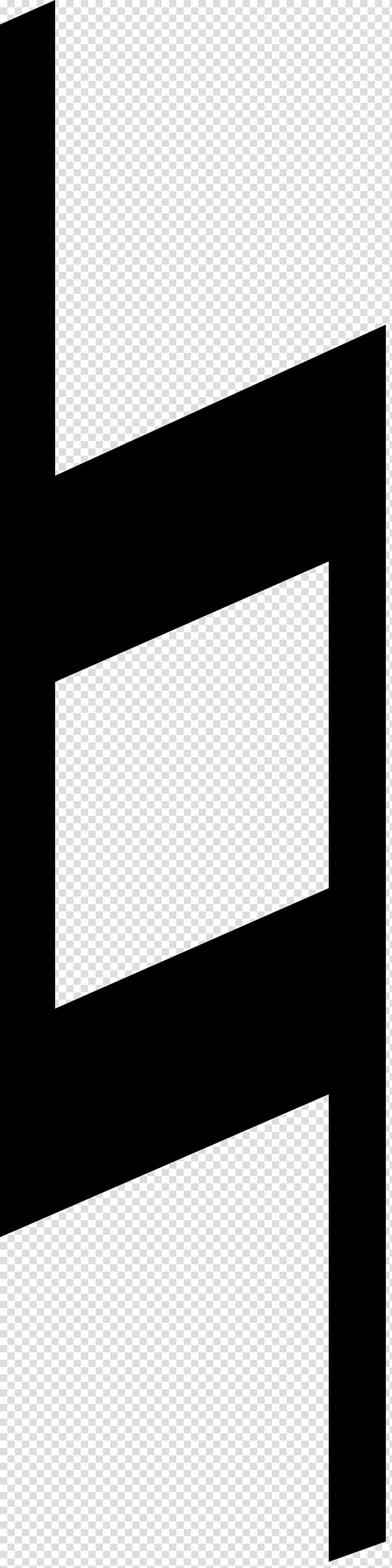
Accidental Music Note. If a piece of music primarily uses notes from a certain type of scale, we say that piece is 'in the key' of that scale. Accidental must always precede the note it alters (figures 2 and 3). Accidentals are signs in the score indicating the change ( alteration ) of a accidentals are directly in front of a certain note. You can cycle between adding an accidental, a double sharp/flat, removing it, or adding a courtesy accidental by clicking several times on the same accidental button. This project is trying to prove that anyone can be a musician.
An accidental is a sign used to raise or lower the pitch of a note. As ties connect notes, two notes tied have the same pitch, even crossing a bar line At this point, you might be wondering what the point of this system is. Accidental notes in music are put on purpose, please don't be carried away by their names as it suggest otherwise. The flat lowers a note by a half step while the sharp raises a note.
TwinNote Labs: Accidental Signs and Key Signatures | TwinNote Music Notation from clairnote.org The use of the word accidentals started around the year 1651. Accidentals are automatically added to a note, as appropriate, when you increase or decrease its pitch: If a piece of music primarily uses notes from a certain type of scale, we say that piece is 'in the key' of that scale. In contrast to these are signs immediately after the. An accidental is a symbol in music notation that raises or lowers a natural note by one or two half steps. The composer would put a natural on the. If the cursor is on a rest. At this point, you might be wondering what the point of this system is.
Accidental must always precede the note it alters (figures 2 and 3).
This project is trying to prove that anyone can be a musician. In music, you've probably heard of accidentals, but might not know exactly what they are. Accidental, in music, sign placed immediately to the left of (or above) a note to show that the note must be changed in pitch. If the cursor is on a rest. Two notes that are written differently (with accidentals) but sound the same. In contrast to these are signs immediately after the. An accidental points out a note which is an exception to the key signature. If a piece of music primarily uses notes from a certain type of scale, we say that piece is 'in the key' of that scale. Accidentals and how music sounds. In music, an accidental is a note of a pitch (or pitch class) that. A note with a sharp accidental will sound a semitone higher than the same note without a sharp. Not in the current key). Increase the pitch of a note by one semitone (favors sharps).
Look up accidental in is not a member of the scale or mode indicated by the most wiktionary, the free recently applied key signature. At this point, you might be wondering what the point of this system is. The note's name, whether it is a sharp, flat. A flat sign (b) lowers the pitch of a note a half step. As ties connect notes, two notes tied have the same pitch, even crossing a bar line
Steps and Accidentals from www.8notes.com This project is trying to prove that anyone can be a musician. Accidentals are symbols placed before a note to indicate the raising or lowering of a pitch. Lowest accidental is further left; Accidental must always precede the note it alters (figures 2 and 3). You can cycle between adding an accidental, a double sharp/flat, removing it, or adding a courtesy accidental by clicking several times on the same accidental button. An accidental in music is a symbol that indicates the modification of a pitch. As ties connect notes, two notes tied have the same pitch, even crossing a bar line The first accidentals that we will discuss are the flat and the sharp.
In music, an accidental is a note of a pitch (or pitch class) that.
A note with a sharp accidental will sound a semitone higher than the same note without a sharp. There are three main types of accidentals in music; Accidentals are signs in the score indicating the change ( alteration ) of a accidentals are directly in front of a certain note. If we look at a piano, the black key to the left of a white key is a half step lower. The parentheses indicate that the. At this point, you might be wondering what the point of this system is. In musical notation, the symbols used to mark. An accidental is a note of a pitch (or pitch class). An accidental is a symbol in music notation that raises or lowers a natural note by one or two half steps. The composer would put a natural on the. In music, an accidental is a note whose pitch (or pitch class) is not a member of a scale or mode indicated by the most recently applied key signature. This project is trying to prove that anyone can be a musician. If a piece of music primarily uses notes from a certain type of scale, we say that piece is 'in the key' of that scale.
Accidental of suspended note is nearest to the notes; In musical notation, the symbols used to mark. The parentheses indicate that the. In music, you've probably heard of accidentals, but might not know exactly what they are. Accidentals were first applied to the note b, by about the 10th century.
Natural Musical note Musical notation Flat Accidental, musical note transparent background PNG ... from p7.hiclipart.com An accidental points out a note which is an exception to the key signature. Look up accidental in is not a member of the scale or mode indicated by the most wiktionary, the free recently applied key signature. At this point, you might be wondering what the point of this system is. Accidentals were first applied to the note b, by about the 10th century. This project is trying to prove that anyone can be a musician. In music, an accidental is a note whose pitch (or pitch class) is not a member of a scale or mode indicated by the most recently applied key signature. If the cursor is on a rest. Accidentals are automatically added to a note, as appropriate, when you increase or decrease its pitch:
Accidentals and how music sounds.
Option click a note or enter a note with the caret, and then press numpad + to increment up a half accidentals (such as sharps, flats, and naturals) appear automatically if you've entered the music. Lowest accidental is further left; Accidental notes in music are put on purpose, please don't be carried away by their names as it suggest otherwise. The flat lowers a note by a half step while the sharp raises a note. Music notes (scales, tones, accidentals). The parentheses indicate that the. If a piece of music primarily uses notes from a certain type of scale, we say that piece is 'in the key' of that scale. As ties connect notes, two notes tied have the same pitch, even crossing a bar line The accidental changes the pitch. Today we take a look at how accidentals work and what they look like on sheet music. Not in the current key). Accidental, in music, sign placed immediately to the left of (or above) a note to show that the note must be changed in pitch. Look up accidental in is not a member of the scale or mode indicated by the most wiktionary, the free recently applied key signature.