The Romantic Era Music Characteristics / Quiz 8_ Characteristics of the Romantic Period_ MUSIC_010 ... : Before the classical period, came the baroque period of music with composers like bach, handel, vivaldi and couperin.. Music of the 19th century, a period of time also called the romantic era, was remarkably different from the music that preceded it. As his music developed with new instruments and techniques, his later works can be called romantic. His illustrious career spans the two eras and, in many respects, lays the foundations for the romantic composers that were his contemporaries and those that came after him. One characteristic of this movement was the importance placed on feelings and creativity, and the source of much of this emotional and artistic work was the. Musical romanticism was marked by emphasis on originality and individuality, personal emotional expression, and freedom and experimentation of form.
It was more personal and emotional. It is music from about the years 1820 to 1910. Romantic music is a stylistic movement in western classical music associated with the period of the nineteenth century commonly referred to as the romantic era (or romantic period). The romantic period was preceded by the classical period, and was followed by the modernist period. The audience was left to take it or leave it!
Romantic Era Music: More of Everything - A Music Mom from amusicmom.com Beethoven's early compositions are called classical. Unlike prior eras, romantic era composers studied music history and knew the forms and genres of their predecessors, especially the music of beethoven, mozart and haydn. Musical romanticism was marked by emphasis on originality and individuality, personal emotional expression, and freedom and experimentation of form. From there came the classical period, leading into the romantic era, and on to bigger and better things continuously up to present times. Particularly from the 'eroica' onwards, beethoven was seen to have explored a variety of ways in which instrumental music could evoke images and ideas transcending the world of sound. Lasting from 1830 to 1865, the romantic period features a variety of characteristics including sensibility, love of nature, sympathetic interest in the past, mysticism, romantic criticism and primitivism. The romantic period of music characteristics: What were the characteristics of romantic music?
Romantic music is a stylistic movement in western classical music associated with the period of the nineteenth century commonly referred to as the romantic era (or romantic period).
Romanticism the romantic era was a movement in the fields of art, literature and intellect that began in europe at the end of the 18th century. It is music from about the years 1820 to 1910. This cultural movement placed its emphasis on emotion, rooting itself in subjects such as the supernatural, the beauty of nature and the irrational. The romantic period was preceded by the classical period, and was followed by the modernist period. What was once a time of the quaint and ethereal renaissance sound became a period for the boisterous and extravagant baroque music. A new preoccupation with and surrender to nature a fascination with the past, particularly the middle ages and legends of medieval chivalry a turn towards the mystic and supernatural, both religious and merely spooky It was more personal and emotional. Ch 5.1 the eight general characteristics of romantic music. Also more personal and emotional. Individuality of style, expressive aims and subjects, nationalism and exoticism, program music, expressive tone color, colorful harmony, expanded range of dynamics, pitch & tempo, and forms are miniature and monumental. Particularly from the 'eroica' onwards, beethoven was seen to have explored a variety of ways in which instrumental music could evoke images and ideas transcending the world of sound. Ludwig van beethoven and franz schubert bridged the classical and romantic periods, for while their formal musical techniques were basically classical, their music's intensely personal feeling and their use of. It is important to understand the context of these periods of musical history.
This time is known as the romantic period. One characteristic of this movement was the importance placed on feelings and creativity, and the source of much of this emotional and artistic work was the. The romantic era is one of the most popular periods in western music history. A new preoccupation with and surrender to nature a fascination with the past, particularly the middle ages and legends of medieval chivalry a turn towards the mystic and supernatural, both religious and merely spooky Also more personal and emotional.
Exploring Classical Music: The Romantic Era, Part 1 ... from www.musical-u.com What was the individuality of the style? You'll see autobiographical influences in poems and prose of the period. In addition, they rebelled against the tradition, the classical model and the authority of binding force. It was more personal and emotional. The romantic era was all about making a big splash, overwhelming. The romantic era is one of the most popular periods in western music history. The romantic period of music characteristics: Music of the 19th century, a period of time also called the romantic era, was remarkably different from the music that preceded it.
It is music from about the years 1820 to 1910.
Also more personal and emotional. As a result, romantic composers broadened the scope of emotional content. Beethoven's early compositions are called classical. It is closely related to the broader concept of romanticism—the intellectual, artistic and literary movement that became prominent in europe from approximately 1800 until 1910. And it's easy to see why! From there came the classical period, leading into the romantic era, and on to bigger and better things continuously up to present times. The romantic period was preceded by the classical period, and was followed by the modernist period. According to bondsxxiv, eroica is the start, for beethoven at least, of music displaying profound romantic characteristics: It inherits the classical period at the same time. Freedom of form and design. A new preoccupation with and surrender to nature a fascination with the past, particularly the middle ages and legends of medieval chivalry a turn towards the mystic and supernatural, both religious and merely spooky Musical romanticism was marked by emphasis on originality and individuality, personal emotional expression, and freedom and experimentation of form. It was more personal and emotional.
A new preoccupation with and surrender to nature a fascination with the past, particularly the middle ages and legends of medieval chivalry a turn towards the mystic and supernatural, both religious and merely spooky Romantic music focuses on provoking emotion. A new preoccupation with and surrender to nature a fascination with the past, particularly the middle ages and legends of medieval chivalry a turn towards the mystic and supernatural, both religious and merely spooky Romantic music is a stylistic movement in western classical music associated with the period of the nineteenth century commonly referred to as the romantic era (or romantic period). Freedom of form and design.
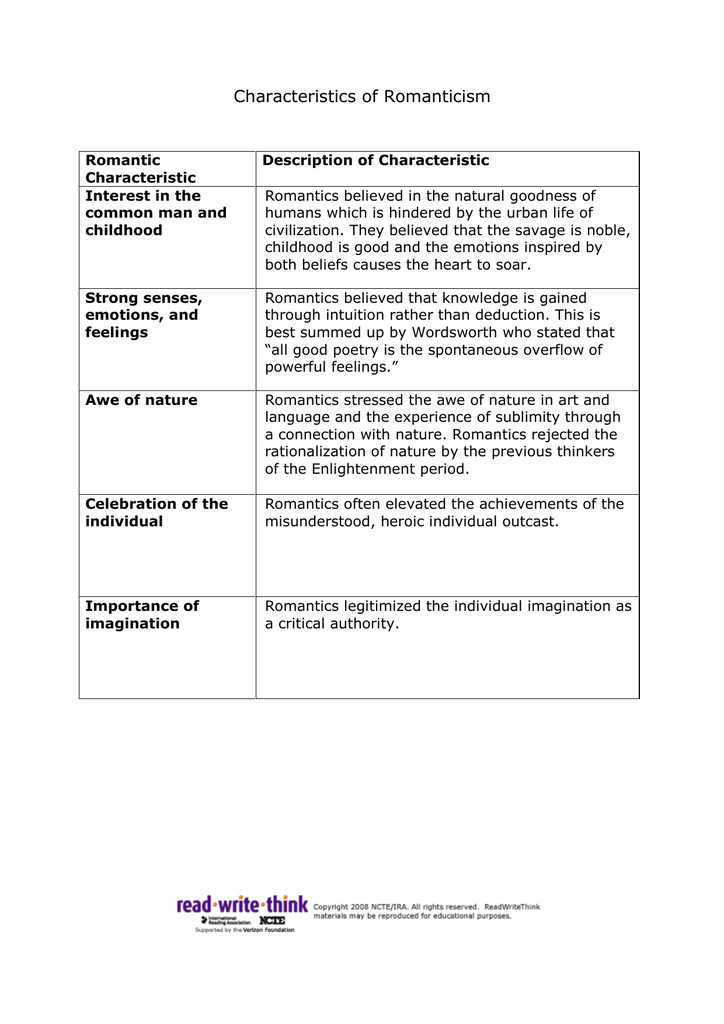
What Are The 5 Characteristics Of Romanticism - slideshare from s2.studylib.net According to bondsxxiv, eroica is the start, for beethoven at least, of music displaying profound romantic characteristics: The romantic period was a time where composers, artists and authors moved away from the formal restraint of the classical period. This time is known as the romantic period. Romanticism the romantic era was a movement in the fields of art, literature and intellect that began in europe at the end of the 18th century. It inherits the classical period at the same time. One characteristic of this movement was the importance placed on feelings and creativity, and the source of much of this emotional and artistic work was the. Freedom of form and design. Ch 5.1 the eight general characteristics of romantic music.
As his music developed with new instruments and techniques, his later works can be called romantic.
Following the classical period, there was what is now termed the romantic period that was in itself followed by the dawn of the 20 th century or loosely titled, modern. Short description of what romantic era music is at its core, composers of the romantic era saw music as a means of individual and emotional expression. Beethoven's early compositions are called classical. It focused on the meaning and purpose behind the music and its main objective was to get an emotional reaction from its audience. And it's easy to see why! It is music from about the years 1820 to 1910. Periods of music the romantic period of music is from 1830 to 1900. Also more personal and emotional. It inherits the classical period at the same time. Love, nature, religion and nationalism are its main themes. It was more personal and emotional. In literature, authors like byron, scott, wordsworth and goethe led the way. The era of romantic music is defined in this article as the period of european classical music that runs roughly from 1820 to 1910, as well as music written according to the norms and styles of that period.